
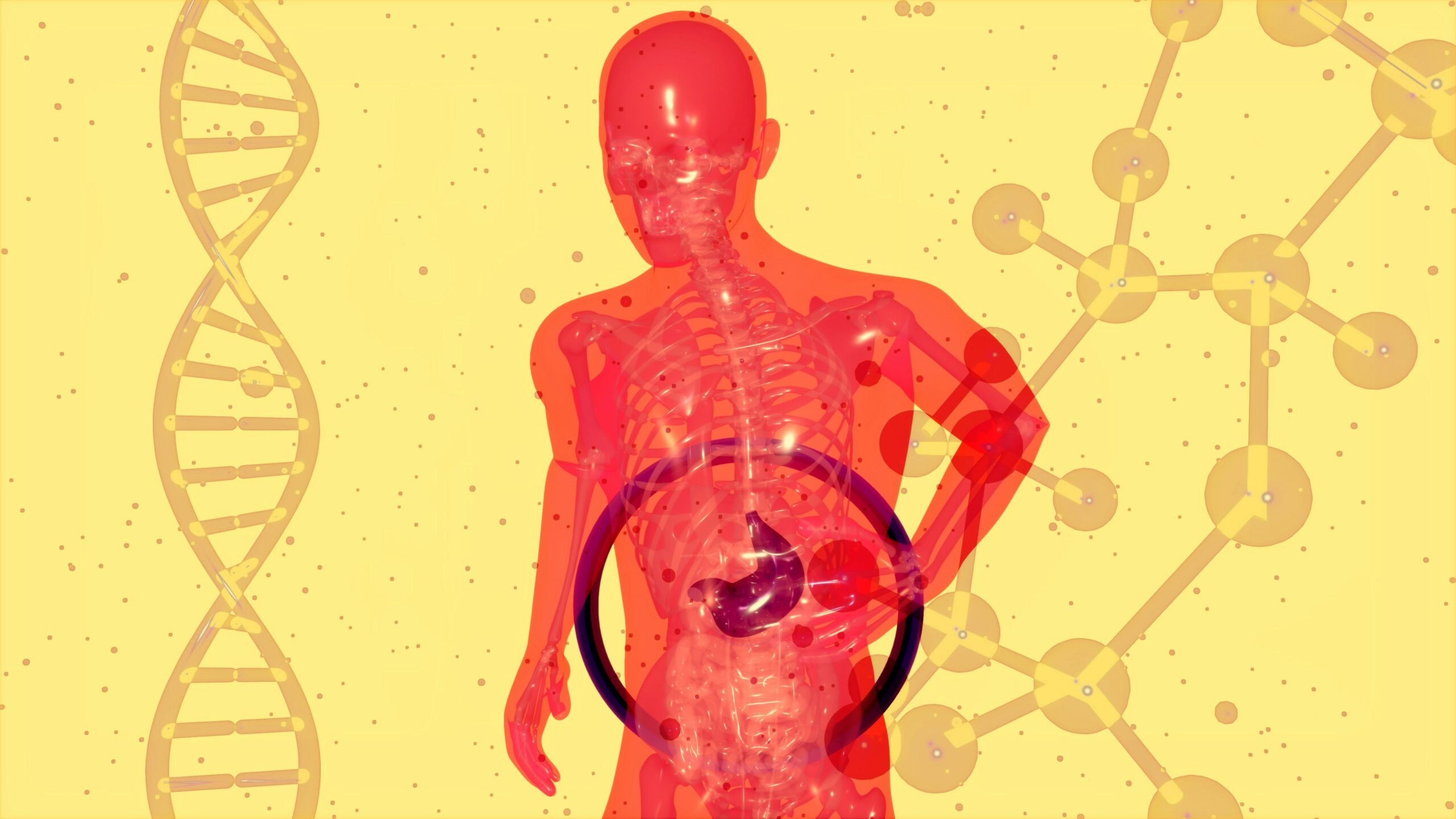
Your gut is more than just where digestion happens. Notably, it’s home to trillions of bacteria that play a key role in your overall health. This short guide explains the basics of gut health 101, what the gut microbiome is, how it works, and why it’s vital for your well-being.
Your Gut Microbiome: Gut Health 101
- The gut microbiome is a collection of trillions of microorganisms including bacteria, viruses, and fungi that live in your digestive tract.
- As a result, these tiny organisms help your body digest food, absorb nutrients, and fight off harmful invaders.
- Therefore, think of the microbiome as a bustling city in your gut, where every resident has a job to keep things running smoothly.
Why Is the Gut Microbiome Important?
Digestion: It breaks down food into nutrients your body can absorb.
Immunity: About 70% of your immune system resides in your gut. As a result, a healthy microbiome helps protect you from illness.
Mood and Brain Health: The gut produces neurotransmitters like serotonin, which influence mood, stress levels, and brain function.
Weight Management: Similarly, a balanced microbiome supports a healthy metabolism and helps prevent weight gain.
Overall Well-Being: On the other hand, an imbalance in the microbiome (called gut dysbiosis) can lead to digestive issues, fatigue, skin problems, and more.
Signs Your Gut May Need Support
- Feeling bloated, constipated, or experiencing diarrhoea regularly.
- Frequent fatigue or low energy levels.
- Unexplained mood swings, anxiety, or stress.
- Skin issues like acne or eczema.
- Food intolerances or sensitivities.
How to Support a Healthy Gut
Eat a Balanced Diet: Firstly, focus on fibre-rich fruits, vegetables, whole grains, and fermented foods.
Include Probiotics and Prebiotics: Secondly, add in probiotics for good bacteria to your gut and add in prebiotics feed the good bacteria.
Stay Hydrated: Thirdly, water helps keep digestion running smoothly.
Manage Stress: In addition, chronic stress can harm your gut, so practice relaxation techniques like breathing techniques, meditation or yoga.
Limit Processed Foods: Lastly, minimise sugar and processed food intake, as they can disrupt the microbiome.
Key Takeaways:
- Your gut microbiome is a vital part of your overall health.
- Similarly, a balanced microbiome supports digestion, immunity, mood, and energy.
- Ultimately, simple changes to your diet and lifestyle can improve your gut health and boost your well-being.
Therefore, taking care of your gut is one of the best things you can do for your health. Start with small steps, like adding more fibre to your meals or trying a probiotic-rich snack, and start to notice the difference in how you feel.
References:
Hills RD Jr, Pontefract BA, Mishcon HR, Black CA, Sutton SC, Theberge CR. Gut Microbiome: Profound Implications for Diet and Disease. Nutrients. 2019 Jul 16;11(7):1613. https://pubmed.ncbi.nlm.nih.gov/31315227/
Singh RK, Chang HW, Yan D, Lee KM, Ucmak D, Wong K, Abrouk M, Farahnik B, Nakamura M, Zhu TH, Bhutani T, Liao W. Influence of diet on the gut microbiome and implications for human health. J Transl Med. 2017 Apr 8;15(1):73. https://pubmed.ncbi.nlm.nih.gov/28388917/
Wan, M. L. Y., Ling, K. H., El-Nezami, H., & Wang, M. F. (2019). Influence of functional food components on gut health. Critical Reviews in Food Science and Nutrition, 59(12), 1927–1936. https://pubmed.ncbi.nlm.nih.gov/29381385/
Zhang P. Influence of Foods and Nutrition on the Gut Microbiome and Implications for Intestinal Health. Int J Mol Sci. 2022 Aug 24;23(17):9588. https://pmc.ncbi.nlm.nih.gov/articles/PMC9455721/
Image Credit:
Gut Health – Photo by Julien Tromeur via Unsplash
Let’s chat – no pressure, just a conversation
If you want to learn more about what is covered in this blog post, book a consultation with me and let’s chat.




3 Comments